Disclosure: As an Amazon Associate, I earn from qualifying purchases. This article contains affiliate links, which means I may receive a commission if you make a purchase at no additional cost to you.
If you have been researching wd elements 8tb external vs internal drive you are in the right place. Which fits you. In this guide we walk through what actually matters, so you can decide whether the WD Elements 8TB is the right external drive for your setup.
Choosing an external hard drive means looking beyond the capacity number to the details that shape real value: the connection, whether it needs its own power, how it behaves on your operating system, and what extras are or are not included. Below, we break down the details of this 8TB Elements drive so you can judge whether it suits you.
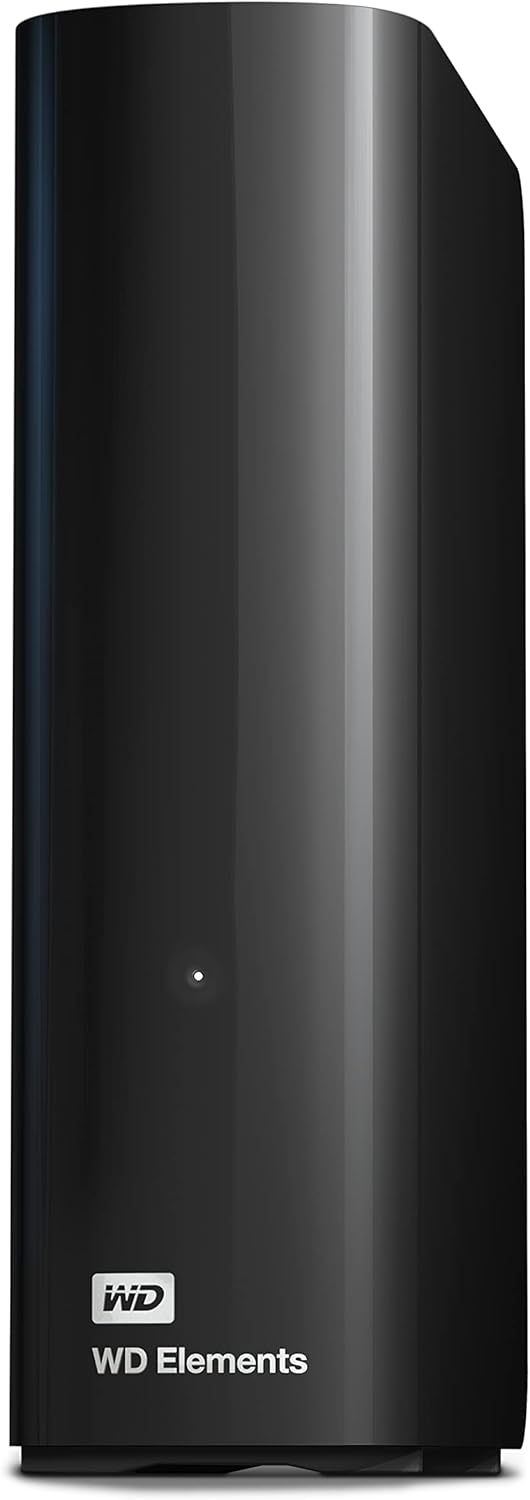
Western Digital 8TB Elements Desktop External Hard Drive, USB 3.0
8TB of high-capacity storage, a USB 3.0 connection, plug-and-play setup for Windows PCs and a compact black desktop enclosure. A mechanical HDD that needs its own power adapter; no hardware encryption included.
Compatibility note: this is a desktop external hard disk drive that needs its own power connection. It is plug-and-play with Windows PCs; using it with a Mac requires reformatting, which erases the drive. It has no built-in hardware encryption, so keep sensitive files protected in software and always maintain a separate backup of important data.
External Drive vs Cloud Storage
An external drive gives you local, one-time-purchase storage you control.
Cloud storage offers remote access and automatic syncing but involves ongoing fees and an internet connection.
External vs Internal Drive
An external drive adds space without opening your computer or changing internal hardware.
An internal drive can be faster and always connected, but installation is more involved.
External Drive vs NAS
This drive connects to one computer by USB, while a NAS serves multiple devices over a network.
For a single user or small desk setup, an external drive is simpler.
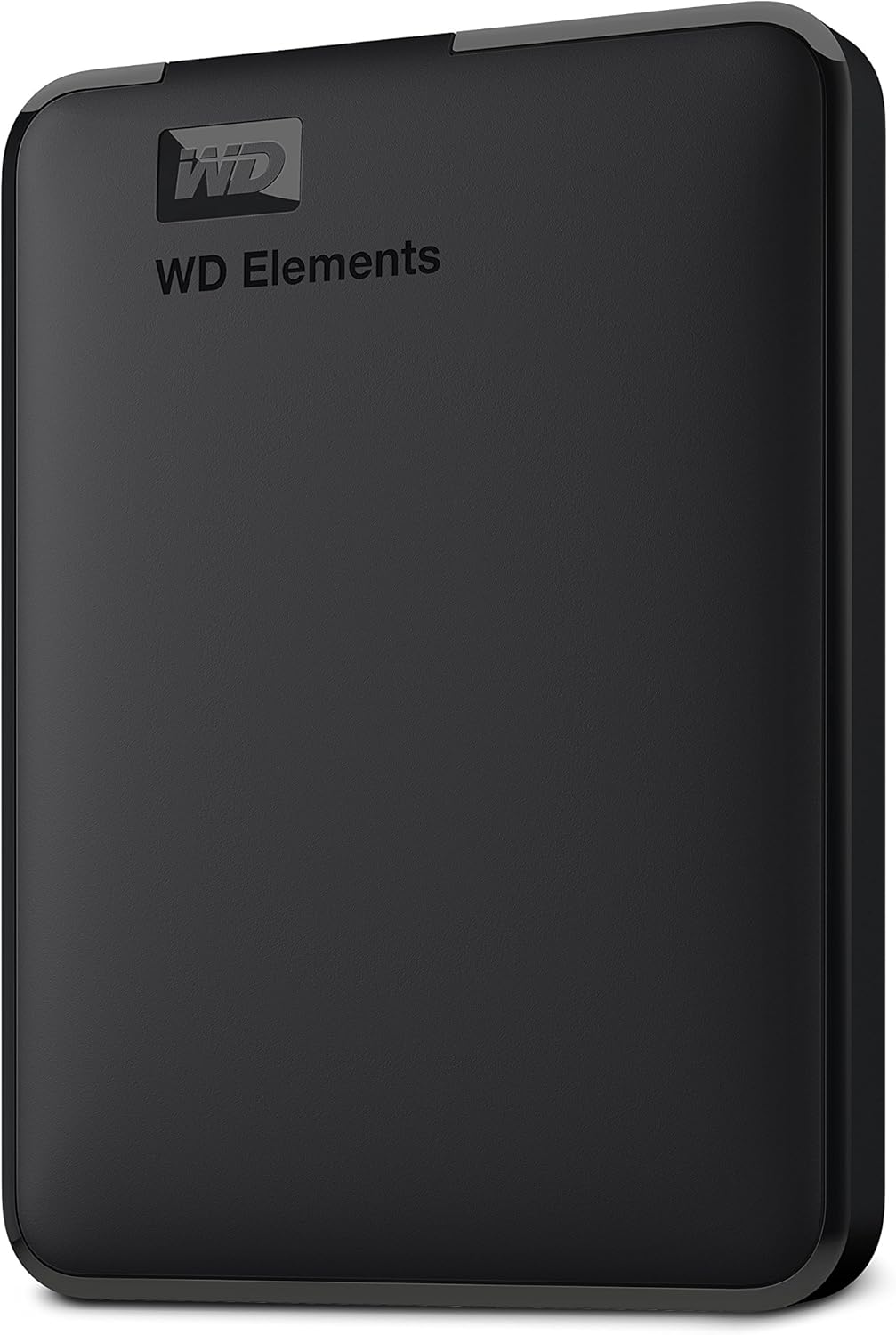
Newer vs Older Elements Models
This 8TB model offers high capacity with USB 3.0 in the current Elements desktop design.
Compare connection type and capacity carefully when looking at different generations.
8TB vs Other Capacities
8TB is a large, family-friendly capacity that suits backups and media libraries.
Smaller capacities cost less; larger ones cost more, so match the drive to how much data you actually have.
Need room for years of files? The WD Elements 8TB pairs a large 8TB desktop HDD with USB 3.0 and plug-and-play Windows setup, making it a practical place for backups, photos, video and archives.
Frequently Asked Questions
Does it work with a Mac?
It arrives ready for Windows. Using it with a Mac requires reformatting to a Mac-compatible file system, which erases the drive.
Does it need drivers?
No driver is needed for basic storage on Windows; plug it in and it appears as an external drive.
How much space will my computer show?
Less than 8TB, because operating systems report formatted capacity differently from the advertised figure.
Does it have encryption or a password?
No. It has no built-in hardware encryption, so protect sensitive files with software tools and keep separate backups.
What is the model number?
This black 8TB desktop model is WDBWLG0080HBK-NESN (ASIN B07D5V2ZXD).
Final Thoughts on wd elements 8tb external vs internal drive
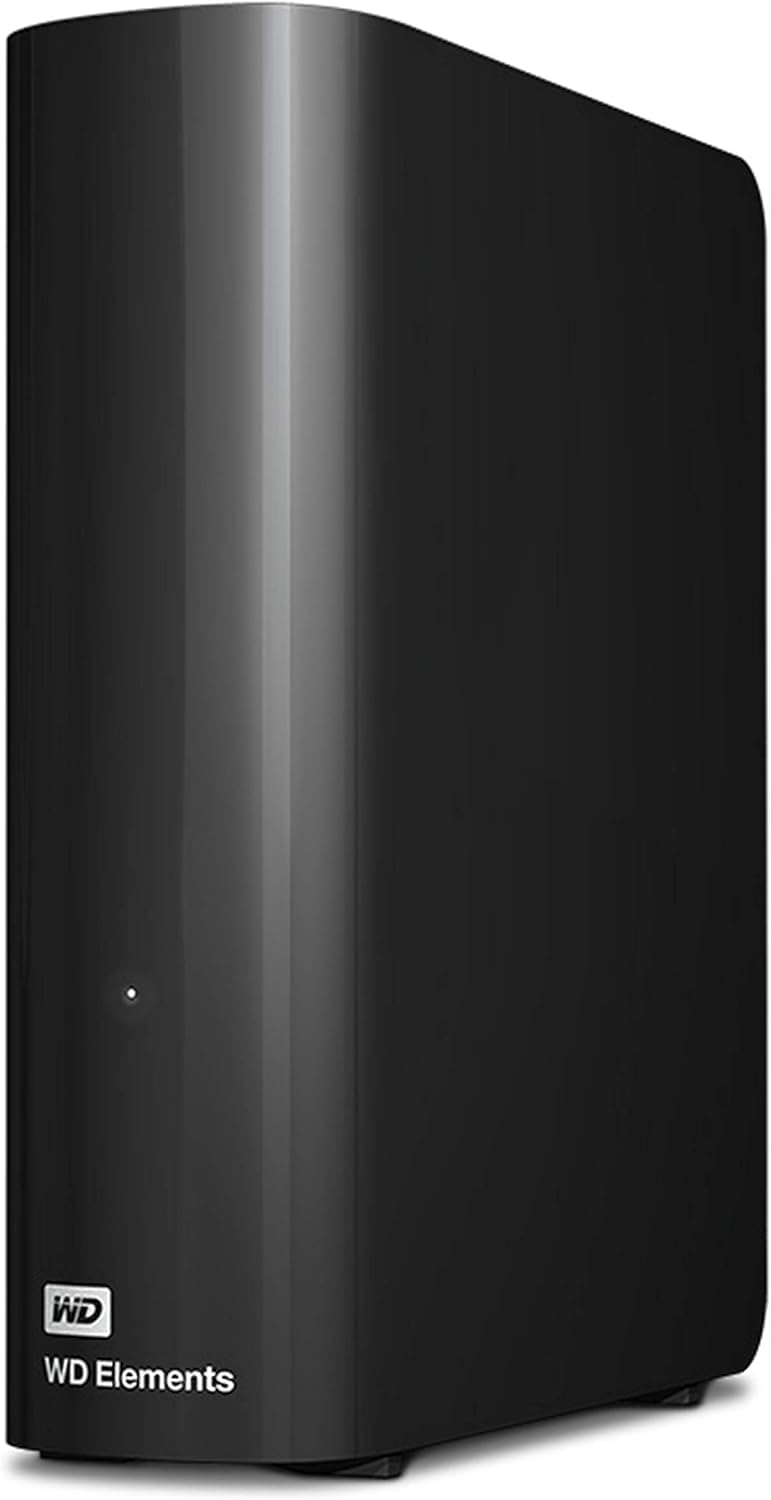
The WD Elements 8TB is a desktop external hard disk drive with USB 3.0 and plug-and-play Windows use. It offers generous space for backups, media and archives in a tidy black enclosure. Remember that it needs external power, is not an SSD, and has no built-in encryption, so keep separate backups and protect sensitive files in software. Check the details, then use the link below to see the current price.
See Current Price & Availability on Amazon →
Compatibility note: this is a desktop external hard disk drive that needs its own power connection. It is plug-and-play with Windows PCs; using it with a Mac requires reformatting, which erases the drive. It has no built-in hardware encryption, so keep sensitive files protected in software and always maintain a separate backup of important data.
Disclosure: As an Amazon Associate, I earn from qualifying purchases. This article contains affiliate links, which means I may receive a commission if you make a purchase at no additional cost to you.
Views: 0