Disclosure: As an Amazon Associate, I earn from qualifying purchases. This article contains affiliate links, which means I may receive a commission if you make a purchase at no additional cost to you.
If you have been researching blue yeti value comparison you are in the right place. How it stacks up. In this guide we walk through what actually matters, so you can decide whether the Blue Yeti Blackout is the right USB microphone for you.
Choosing a USB microphone means looking beyond the brand name to the details that shape real value: pickup patterns, sound quality, monitoring, build and ease of setup. Below, we break down the details of the Blue Yeti Blackout so you can judge whether it matches your needs.

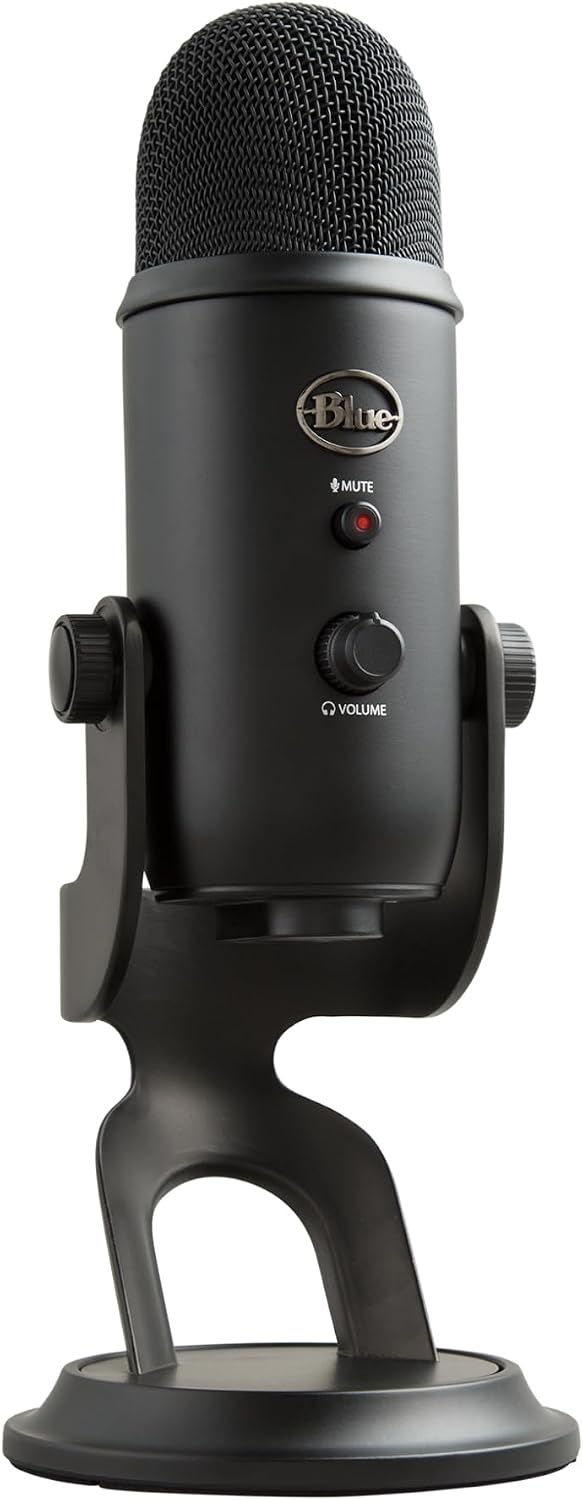
Blue Yeti Blackout — Tri-Capsule USB Microphone
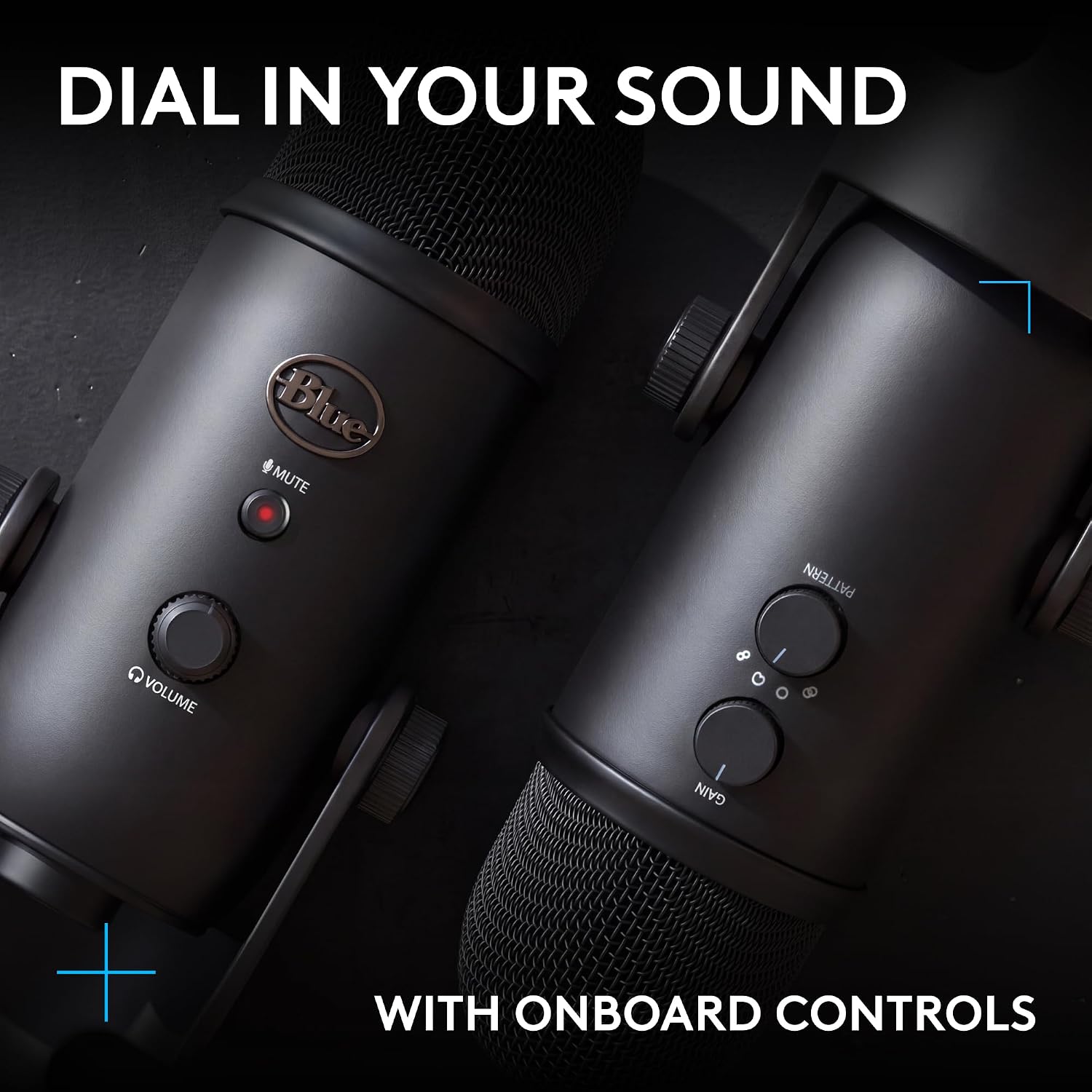
Four pickup patterns, 16-bit/48 kHz recording, zero-latency 3.5 mm monitoring and a sturdy metal build — plug-and-play on Mac and PC.
Pros and Cons at a Glance
Pros include four pickup patterns, zero-latency monitoring, simple plug-and-play setup, a sturdy build and very good voice quality for the price.
Considerations: it is not portable, the cardioid pattern is fairly sensitive to room noise, and the desk stand passes along vibrations — a boom arm and shock mount help.
Final Thoughts
The Blue Yeti Blackout packs four flexible patterns, real-time monitoring and a sturdy build into one straightforward USB microphone.
It is a dependable, great-sounding upgrade for anyone who wants better audio without building a complicated studio chain.
Price and Value
With a street price around $99, the Yeti sits in an accessible sweet spot for a full-featured USB condenser mic.
For four pickup patterns, zero-latency monitoring and a durable build, it delivers strong value.
Value Over Time
The Yeti’s solid construction and flexible patterns keep it useful as your needs change — from first podcast to music projects.
It is a long-lived, well-supported design, so it holds its value far better than disposable entry-level mics.
Yeti vs Yeti Nano
The Yeti Nano is smaller, simpler and cheaper, offering fewer patterns and no tri-capsule array.
Choose the full Yeti if you want four patterns, a bigger, weightier build and maximum flexibility.
Want flexible, great-sounding audio without a complicated setup? The Blue Yeti Blackout combines four pickup patterns, real-time monitoring and a durable, plug-and-play design in one clean, all-black microphone.
Frequently Asked Questions
Which pattern is best for podcasting?
Cardioid for a single speaker; bidirectional for a two-person interview; omnidirectional for a group.
Does it come with a shock mount or boom arm?
No. It ships with the desktop stand and USB cable; a shock mount and boom arm are optional extras.
Is it USB-C?
No. It uses a standard USB-A connection via the supplied cable.
Is the Blackout different from the Silver Yeti?
Only in finish. The hardware and specifications are identical; Blackout is simply the all-black version.
Is it good for music?
Yes. Its condenser capsules and stereo mode suit vocals, acoustic instruments and ensembles well.
Final Thoughts on blue yeti value comparison
The Blue Yeti Blackout brings together a tri-capsule design, four selectable pickup patterns, 16-bit/48 kHz recording and latency-free monitoring in a solid, all-black USB microphone. It is a dependable choice for podcasts, streaming, voice-overs and music.
See Current Price & Availability on Amazon →
Disclosure: As an Amazon Associate, I earn from qualifying purchases. This article contains affiliate links, which means I may receive a commission if you make a purchase at no additional cost to you.
Views: 0